Soft Geometry | How Curves and Rounded Edges Change a Room’s Mood
Straight lines and sharp angles often define modern interiors. But incorporating curves can transform the atmosphere of a space, softening its look and creating a sense of comfort and ease.
Rounded edges and organic shapes are more than aesthetic, they can subtly influence how a room feels and how you experience it.
Here are some ways soft geometry changes the mood of your home:
Create a Sense of Flow

Curved lines guide the eye gently from one area to another. Whether it’s an arched doorway, a rounded coffee table, or a sweeping sofa silhouette, these shapes naturally create movement and connection. This sense of flow can help a space feel more cohesive and relaxed.
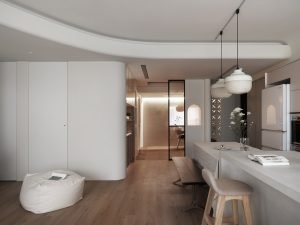
Using curves to define transitions between zones, like an open-plan living and dining area, also makes layouts feel more intuitive and less rigid.
Make Spaces Feel Welcoming
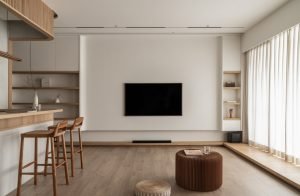
Rounded forms evoke warmth and approachability. Soft edges feel less formal than square corners, encouraging people to linger and engage.

Image by The Cool Republic via Pinterest
In seating areas, a curved sectional or circular ottoman invites conversation and creates a more inclusive arrangement. Even small touches, like an oval mirror or a rounded lamp base, can soften the mood without overwhelming a room.
Balance Hard Materials
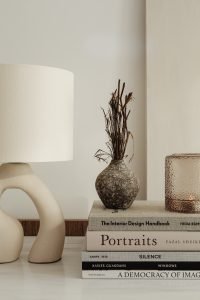
Many contemporary interiors rely on materials like concrete, glass, and metal. While these finishes can look clean and sophisticated, too many hard surfaces can feel stark.
Curved shapes counterbalance this effect. A round dining table paired with angular chairs, or a wavy ceramic vase on a sleek console, introduces gentle contrast that feels fresh rather than fussy.
Enhance Comfort and Safety

Image by Sedilia via Pinterest
Rounded edges aren’t only pleasing to the eye, they’re also practical. In family homes, soft corners on furniture reduce the chance of bumps and bruises.
Curved backs on chairs and sofas can also make seating more ergonomic and comfortable. In tight spaces, rounded pieces are easier to navigate around, improving flow and safety.
Add a Sculptural Element
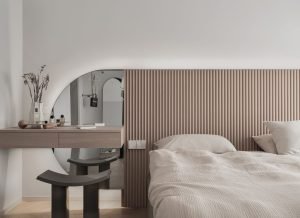
Soft geometry can act as a design statement. An arched headboard, a sculptural pendant light, or a circular rug becomes a focal point without the need for bold color or pattern.
Because these shapes feel organic, they draw attention in a subtle, calming way rather than demanding it.
Layer Different Curves

Combining multiple rounded elements creates depth and visual interest. For example, you might pair a curved sofa with a circular side table and a dome-shaped floor lamp.
To keep the look cohesive, repeat similar curves in different scales or materials. This layering feels intentional and balanced instead of busy.
Balance with Straight Lines
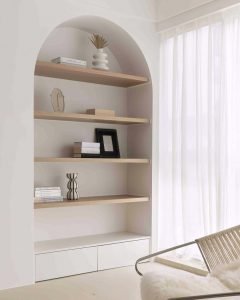
While curves are powerful, they work best alongside clean lines. The interplay between soft and straight shapes keeps a space from feeling overly themed or too fluid.

Pair a rounded coffee table with a rectangular rug or mix arched cabinetry details with straight-lined open shelving. This contrast highlights each form and makes the overall design more dynamic.
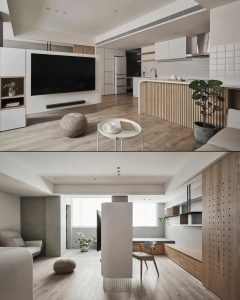
Incorporating curves and rounded edges isn’t about abandoning modern design, it’s about bringing warmth, flow, and subtle softness into your spaces.
Whether you choose a statement piece or a few gentle accents, soft geometry can shift a room’s mood from stark to soothing, helping your home feel more inviting and comfortable.
STAY CONNECTED
FB – Bydesignworks
IG – @bydesignworks
E – contact@bydesignworks.com
TELEGRAM CHANNEL – t.me/bydesignworks
[fc id=’4′ align=’left’][/fc]